Monday, December 28, 2015

Eating Food


I’ve experimented with many styles of eating over the last few years. I began to really question my diet when I read Ultrametabolism by Dr. Mark Hyman after seeing him on a PBS special.  This book was the catalyst for what would become a smorgasbord of books about food. The more I learned about food, where it really comes from, the system created around industrialized food systems and the health and environmental effects, the more voracious I became to read more (see what I did there?). I started to shift my diet to a reduced reliance on processed foods with the goal of eating whole foods or food that had very few ingredients. Then, I became a whole food (carb-reliant) vegetarian and then a vegan. Those years coincided with my high mileage running years, so without the carbs to sustain me, I don’t know if I would have had the energy to sustain my running. As it was, I was hungry all the time. I ate a lot of whole wheat pasta, thinking that it only had one or two ingredients on the package and so it qualified as friendly for me. I ate veggie sandwiches on whole grain bread and bowls full of vegetable curries, beans, potatoes, anything that would give me fuel and satiate my hunger.

Then I began to strength train and I knew I needed to change the way I ate. I was still hungry most of the time, but this was a different type of hunger; I was craving things I hadn’t eaten in years.  Through my reading, I was learning that I should focus more on whole foods and high quality proteins and reduce my processed carbohydrate intake. My body was begging for fish, meat and eggs, but the ethical conflict made this transition difficult. I had previously decided that if I loved the earth, I couldn’t eat animals (see my reading list below to see how I arrived at this view). I also knew that if I didn’t make a change, I was going to cause chronic inflammation, have to deal with constant hunger and risk not being able fuel my ability to increase lean muscle mass.
We all make justifications in our minds when we experience cognitive dissonance and mine were that my other efforts for the earth allowed me to eat sustainably-raised meat. So, I began to focus on vegetables and protein.

For the past two years, I have been eating mostly vegetables, meat, eggs, cheese and fruit. I don’t diet, but I try to eat real food 90% of the time. I don’t follow any particular school of thought, but I do try to keep my carbs under control. A typical meal looks like a giant heap of veggies and some kind of protein (I don’t get sick of chicken thighs cooked in the crock pot). I leave room for treats occasionally and mostly listen to my body. A try to eat a big salad every day and use delicious balsamic vinegar to dress it. I’ve stopped feeling bad for my choices. I would like to say that I choose only locally raised chickens and whatnot, but that’s not the truth. I do my best and hope that my other combined choices help to make up for it.

The good news is that I feel better than I ever have and am stronger than I’ve ever been.
If you’re curious about what I eat, you can see the whole sordid affair on a free app called Youfood. My screen name is Artemis.

Whatever choices you make to nourish your body, do it without guilt or shame. Stay open minded and be willing to learn. Eat what makes you feel stronger and healthier.

My food education journey reading list in chronological order (does not include blogs and research papers):

Ultrametabolism - Dr. Mark Hyman
The Omnivore’s Dilemma - Michael Pollan
Diet for a New America - John Robbins
Eating Animals - Jonathan Safran Foer
Eat and Run - Scott Jurek
Forks Over Knives - Stone
The Primal Blueprint - Mark Sisson
The Ten Commandments for Losing Fat - Nia Shanks

Sunday, December 27, 2015

Ham Bone Soup

Ham Bone Soup


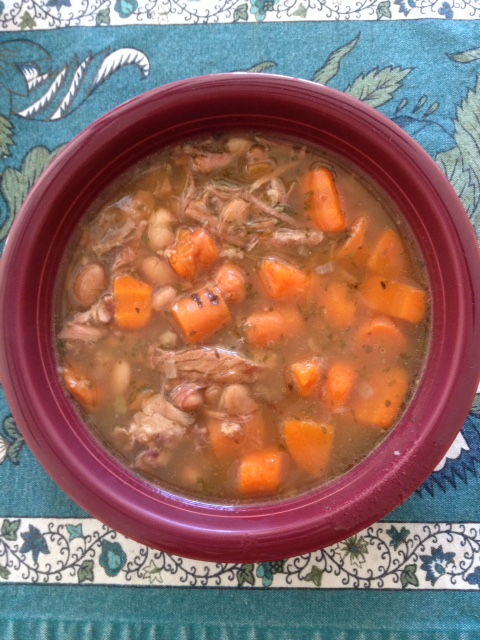
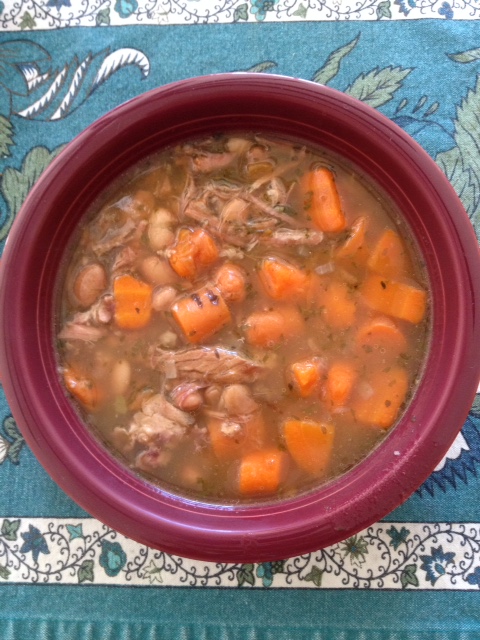
Spiral sliced ham is available for a great price this time of year. We bought one and put half of it in the freezer for later. We also skip the glazing. Inevitably, you will be left with the ham bone with a lot of meat attached. This is my very simple and easy recipe for a delicious ham bone soup.


soup complete.JPG


I placed the ham bone in our slow cooker and covered it completely with water. I set on low overnight (or for 6-8 hours). We woke up to a wonderful aroma, which was also driving our pups bonkers. In the morning it looked like this.


bone.JPG

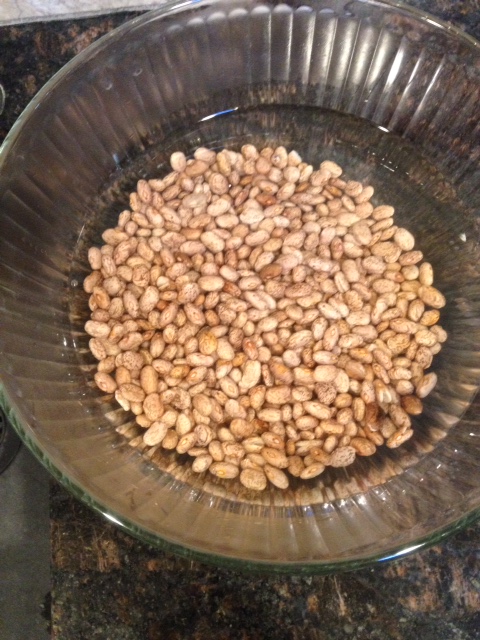
I forgot to soak the pinto beans overnight, so I gave them a two hour soak while we went for coffee. It was plenty of time.

beans.JPG

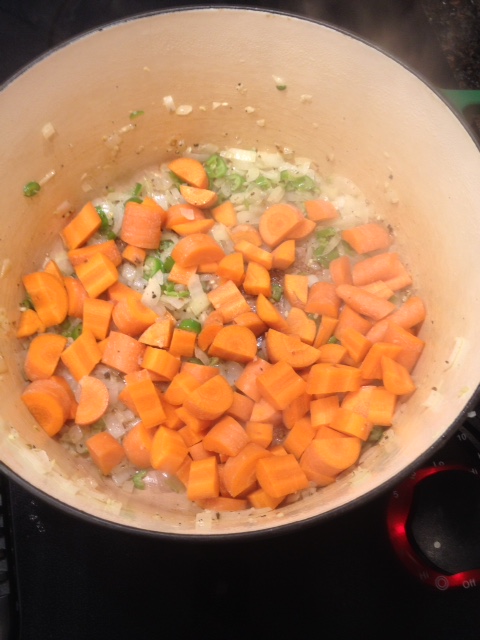
Now, let’s make some soup! In a heavy pot (I used my glazed cast iron pot), sautee the onion, garlic and peppers in butter (or olive oil). Then add carrots.


sautee.JPG


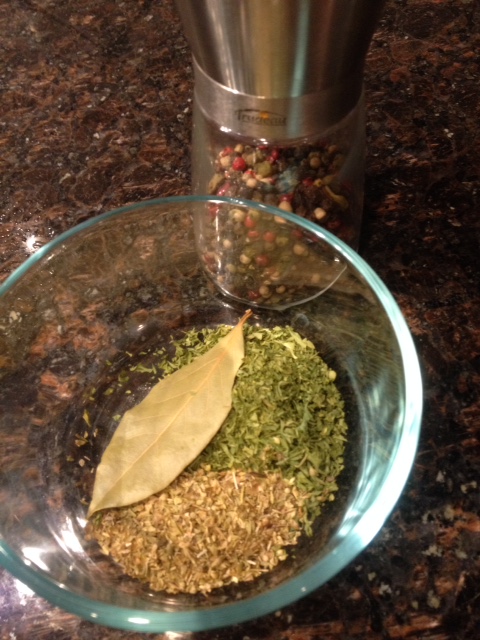
Now strain your ham stock with a fine mesh strainer and transfer the stock to your pot. (Keep the remnants of ham in the crock pot until it cools enough to handle.) Stir in parsley, black pepper and oregano. Toss in a bay leaf.

spices.JPG

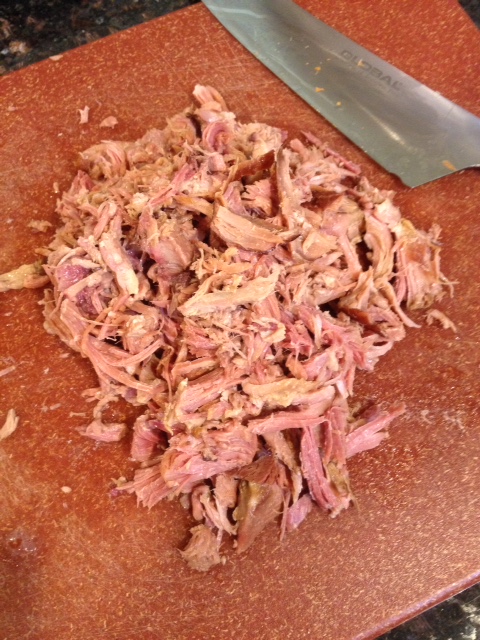
Separate and shred the meat from the slow cooker and add to the soup. Our ham bone was holding on to a LOT of meat!


ham from bone.JPG

Add the meat and drained beans to the soup and simmer uncovered on low for 1 ½ to 2 hours.


all in pot.JPG

Add salt to taste and enjoy!


soup complete.JPG

Recipe: Ham Bone Soup


sautee in 1 Tb butter:
1/2 onion, diced
4 cloves garlic, crushed or diced
3 hot peppers, diced


add:
6 diced carrots
3 Tb oregano
3 Tb parsley
1 Tb pepper
1 bay leaf
1 ½ cps pinto beans (soaked for a few hours first)
strained stock
meat off bone - add to soup


simmer for 1 1/2 to 2 hours
add salt to taste

Saturday, December 26, 2015

Keeping Up with the Joneses


Guess what? The Joneses, those neighbors who seem to have it all together, a great house, fun vacations, shiny cars? They’re probably a mess. You’re busy trying to measure up and they’re drowning in debt to maintain the facade and no one is happy.


We know the truth, that the pursuit of stuff does not lead to happiness. We keep hoping it will as it clutters our homes, our cars, our inbox and worst of all, our minds. We exchange our precious time in its pursuit. We go mad with worry about how to pay for the stuff we already have and the stuff we want, all the while knowing that that we should stop.  


A 2015 credit card debt study revealed that the average US household has over $15,000 in credit card debt alone. Many long time homeowners who should have reached the end of their mortgages went heavily into debt anew during the last housing bubble or borrowed against their home’s equity. I’m not advocating for being a snoop, but if you find yourself with neighbor envy, the mortgage information is public record. You’ll be surprised at what you find.


The bottom line though, is to ask what we gain when we go into debt or when we trade our money (which is just time and life energy) for things that align with our goals? Do we make mindful purchases or delay a decision to give it genuine thought? If not, I’ll share some tactics that have worked well for me:


  1. Shop with a list. For items like food and other consumables, a little pre-planning or automating go a long way. We generally eat the same types of food every week, so our shopping trips (and related spending) are predictable. This also helps control impulse purchases.
  2. Ask if the purchase is a want or a need. Be honest about this. Consider the trade-off before you buy it. Frame it in a way that has meaning for you. For me, asking myself if the item is worth delaying retirement is a great trick. Maybe you are saving for a vacation, so your question would be, “Do I want this item or do I want to go to Hawaii?” You get the idea.
  3. If you decide that you DO want the item, wait 24 hours (or more). Sometimes putting  some time and distance is enough to change your mind.
  4. Choose quality over quantity. In the long run, you’ll get more financial benefit (and enjoyment) over a higher quality item than more items of poorer quality. How many pairs of jeans do you really need anyway?
  5. Frequently check your spending. Use your bank’s online tools to your advantage. Most banks offer categorization which will reveal that those little indulgences and what you think of as small, negligible purchases really do add up.
  6. Only shop when you need something specific. If you feel the urge to shop out of boredom, try these other activities instead.


What other tactics are helpful for mindful spending?
What long-term goals do you have that can help you stay on track?

Friday, December 25, 2015

Frugal Fun

Frugal fun


In pursuit of a tranquil life, I find it vital to minimize financial stress and free myself from the snare of consumerism. Of course we need to buy things, but there is great danger in allowing the process of buying things to become a hobby or boredom buster. That is why I’m sharing some of my favorite things to do that cost very little or are free:


Take a walk, but don’t just walk for the sake of walking (although there are great benefits to this as well). Walk to take in your surroundings. Listen to the sound of your feet, watch the way the sun shines on a tree, listen for birds singing, watch other people, breathe slowly and pay attention to the scents. For instance, today I noticed the humid air on my face and smelled the distinct scent of the desert after a rain. The clouds were steel gray cloak resting on top of the mountain where I live. I could hear birds singing, despite the chill, and watched a plane carrying eager travelers north.


Hike. If you have access to a natural area, turn the walk into a hike. Put your feet on the dirt and enjoy the quiet that comes with nature. Notice the plants, the color of the rocks and the smells of nature.


Cycle. Riding a bike is fun and is a great way to see more of the world in the open air. If you have tires that can handle off-road terrain, it’s also a lot of fun to explore trails, canals, or the beach.


Exercise. Yes, it is actually fun if you find activities that you enjoy. Exercise doesn’t have to cost anything, either. There are endless online resources for working out at home. If you prefer the atmosphere and encouragement that going to the gym provides, search your area for affordable options. Most importantly though, try different activities until you find what appeals to you. Bodyweight exercies, yoga, running, dancing - there are many options.


Read. I love to read. I read a lot of blogs online and I do often purchase e-books and some physical books, but the local library is a treasure trove of wonder. If you haven’t visited your local library, I highly suggest that you do. Our local library system will even send a book from one branch to another, at no charge.


Cook up something new. It’s so much fun to bake or try a new dish. You have to eat anyway, right? Maybe you’ll even discover new foods that you’ve never had before. In just the past two years I discovered the joy of spaghetti squash (add tomato sauce and sausage...yum!) and spiralizing summer squash.  


Stargaze. The other morning I wrapped up in a blanket and headed outside at 4am to watch for meteors. Gazing up at the sky lit with stars or watching the moon rise is very peaceful and fills me with wonder. It’s a nice bonus to see a shooting star too.


Those are my favorites, but there are so many more.


Be a tourist in your own town. Go see all of the historic sights, visit the “tourist traps” and delight in the familiar with fresh eyes.


Go to the museum or art gallery. These are often inexpensive and if you take my advice about the library, you can often check out passes to museums and art galleries for FREE!


Camp, swim, explore, climb trees.


Draw, write poetry or color.


Play board games with friends and family.


Sew, craft or repurpose old items to a new life.


What do you do for frugal fun? Share your ideas.

Thursday, December 24, 2015

Listen to Your Parents

Listen to your parents


I visited my mom and dad today. They are always very comforting to talk to, especially when it comes to discussions about parenting. My parents are great; I was a lucky kid and had a pretty idyllic childhood. Despite that, they admit that they felt like they made some mistakes and reminded me that we do our very best at the time, for whatever situation we face with our kids. If you are a parent, listen to what your parents have to say with an open mind. It doesn’t mean that you have to take their advice or even agree with them, but they are offering something we don’t have until our kids are all grown - experience.


Actively listen to your parents talk about their lives and pay careful attention when they share things they’ve learned. My dad is 85 and as spry as someone 20 years younger. He has great stories to share, but the most interesting things he says are the unexpected bits of advice. He always had a strong work ethic and I heard lectures about working hard and being responsible throughout my entire childhood. He was right, but his advice now is to have adventures while we are young. He still stands by his philosophy about working hard, but he cautions about letting work supplant travel, adventure and doing the things you want to do “while you can.”


The most important lessons that I’ve learned from my parents are about relationships. Although their observations of people are oddly accurate, what speaks to me most doesn’t have to do with what they say. It is that after over 30 years together, they still make their relationship their priority. They openly display their affection and don’t withhold their love.  If they have disagreements, they get over them quickly (and they are never really serious). They remember to do the little things for each other each day. They remind me that it is not selfish to put your partner and your relationship first and that entire families thrive when we do so.  Their love is a testament to it.

Listen to your parents. Not only because they have the wisdom that comes from experience, but also because they love you more than you could ever imagine.


Wednesday, December 23, 2015

Daily Resolutions


The Happiness Project by Gretchen Rubin provided me with the inspiration to create a list of daily resolutions. I am a big fan of lists - checklists, to-do lists, pros/cons lists, shopping lists; I love them all. I find that my daily resolutions list is especially helpful during this transitory phase of my life. I struggle to feel productive and like I’m spending my time well, so when I’m in a funk, working on my daily resolutions resets my frame of mind.


  1. Spend at least one hour outside.
  2. Read for 30 minutes (or more).
  3. Complete one domestic activity (cleaning, home improvement, doing repairs, sewing)..
  4. Reach out to at least one friend or family member.
  5. Sing loudly.
  6. Verbalize my appreciation.


There are many other things that I do each day that don’t need to be on my resolutions list. Telling people that I love them, getting exercise, eating vegetables and things like that are just a part of daily life. I plan to update my daily resolutions list frequently so that it remains beneficial and adapts as life changes. Someday, I will add meditation to the list, but I know that I won’t do that every day and it’s important to me that whatever is on this list gets completed each day. This seems simple (and probably a little silly), but it provides me with a sense of satisfaction and is often the catalyst that I need to accomplish even more.


Do you have a list of daily resolutions (even if just in your head)?
If not, what things would add to your list?

Tuesday, December 22, 2015

Zen, Happiness, and Other Fluff


Ok, so happiness isn’t fluff, but I’ve been filling my head with all things philosophical for several years now. I just finished The Happiness Project, by Gretchen Rubin, which I picked up randomly at the library. I’m also almost finished with The Voice of Knowledge by Don Miguel Ruiz, although I will come back to it again and again.

I also return regularly to some of my other favorites, like Eckhart Tolle’s The Power of Now and A New Earth, as well as Ruiz’s The Fifth Agreement. I like to fill my head with the messages provided in these books so that each day I am reminded about what is truly important. Some of the content is a bit esoteric, so I take what I like from them and ignore the rest. Tolle’s books especially tend to get a little spiritual and that’s not my cup of tea, but the basic messages are great. The ironic part is that despite the appearance that I’m constantly seeking happiness, I’m already very happy and have always been a generally optimistic person. I laugh rather easily and find it easy to see the positive outcomes of most anything.

Like most humans, I cave in times of great stress and probably cry a lot more than other people, but for me it is cathartic. It’s my way of getting it out so that I can deal with the feeling or situation and move on. So, I return to books like these because they help me reinforce my beliefs and help me keep my priorities in order. 

If you enjoy reading philosophy or are just interested in ways to help keep you on a peaceful path, I highly recommend these books. Are there other books that help you maintain peace and joy? I’d love to hear about them.